

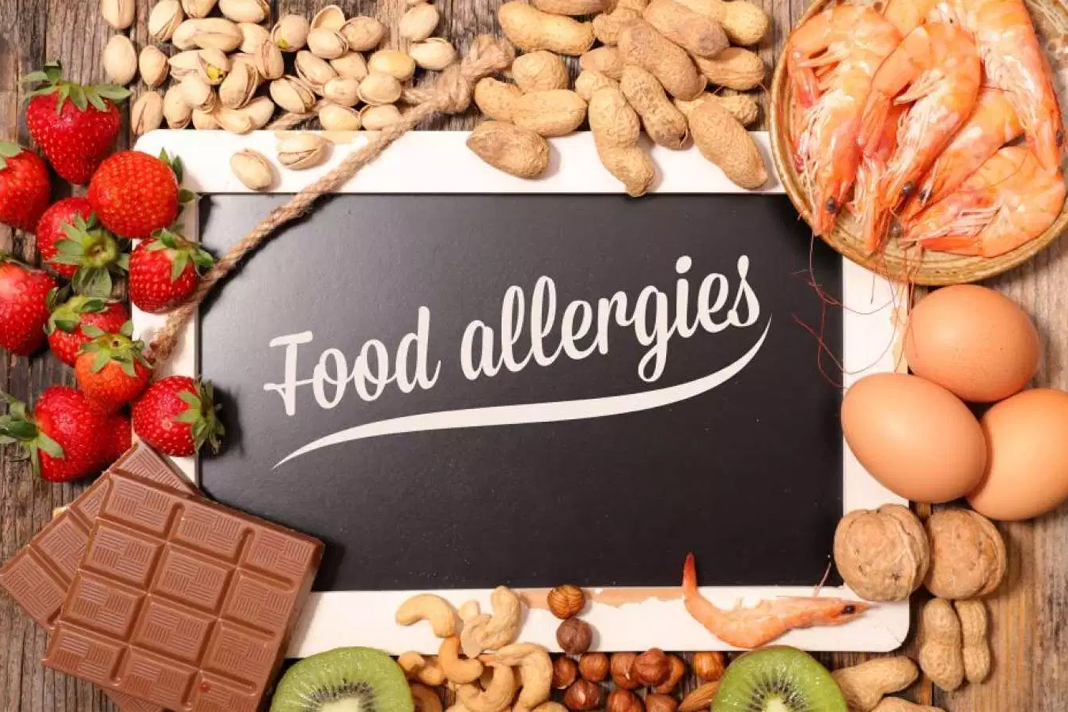
Hold your horses, food allergy is real and many people have it to varying degrees. According a new research one out of every five people questioned responded to having food allergy. Whereas, only one out of 10 actually had any kind of food allergy. Food allergies may be confusing to work out. After a food has done something wrong to your body, whether an itchy rash or even a bout of nausea, its simple to dismiss that response as an allergy. However, how a lot of us really have real food allergies? A recent research indicates that amount is much less than what you could think. Though common wisdom holds that outward symptoms of all kinds have been on the development in the past several decades, researchers really have very little information on allergies adults because a lot of them not have diagnosed by a doctor.
A number of studies have tried to utilize hospitalization information as a proxy, however only picks up individuals with adequately serious allergies to visit theER to get anaphylaxis. Another study utilized statistics from NHANES, a huge federal survey analysis that happens every couple of decades, to examine real blood test success. This new studyout last week at the journal JAMA Network Open, took a much wider strategy, and concentrated solely on food allergies:Researchers established from Northwestern University examined some 40,443 American adults also asked them a set of questions developed to determine how a lot of individuals really had food allergies versus the number of simply believed they did. What they discovered? Though just one in five people surveyed reported with an allergy, just about 1 in 10 really does. To know just how they came to the decision, we initially need to know the distinction between an actual food allergy and a food intolerance, each of which may appear like this untrained eye. Let us begin with an example nearly everyone is comfortable.
With: Milk. The majority of men and women know somebody who’s flaxseed. Should they have a lot of lactose-containing milk, then the undigested lactose accumulates in the gut resulting in uncomfortable symptoms such as diarrhea and bloating until the substance goes through the digestive tract. Although embarrassing, this gastrointestinal distress is not life threatening. Therefore, they could drink a milkshake (however they will probably cover it afterwards). Milk allergy since that is not as common. But if you do, then you realize they can not drink milkshakes. That is because they have an actual allergy, so the origin of the issue isn’t in their digestive processes, but instead in their own immune systems. Allergists telephone these answers “IgE-mediated” since, well,they are mediated by a protein known as Immunoglobulin E. IgE is an antibody your immune system generates whose job it would be to identify pests such as parasites. Individuals with allergies unintentionally produce IgE molecules which identify benign proteins such as people like peanuts, shellfish, or milk because being harmful. This means upon intake, IgE are similar to the alert that kicks a huge immune reaction, recruitment histamines and other immune cells which kill the invader. It is this overreaction which triggers your throat to shut or your own blood pressure to fall precipitously, or some of those other infectious symptoms which transcend one physiological organ and expand to the lymph system or maybe skin or cardiovascular disease. This reaction might surely be life threatening.
Symptoms, however they are all controlled by IgE. Conversely, individuals with food intolerances, such as lactose intolerance, just acquire gastrointestinal ailments. And listen, we are not here in order to dismiss the harshness of your GI problems. If you are in real pain once you consume milk, shellfish, or eggs, then it may be most appropriate for youto prevent them. Nevertheless, if allergists are counting individuals with food allergies, then they are not counting. Since the American Academy of Allergy Asthma and Immunology notes, then these sorts of food intolerances are brought on by hormone deficiencies or any sensitivity to certain chemicals in foods (organic or otherwise). In this analysis, a panel of experts examined a listing of possible allergic reaction symptoms came up with some rigorous symptoms they believed signaled a “persuasive” or authentic food allergy:
- Hives
- Swelling (except tongue and lip)
- Lip/tongue swelling
- Difficulty swallowing
- Throat tightening
- Chest tightening
- Trouble breathing
- Wheezing
- Vomiting
- Chest pain
- Rapid heartbeat
- Low blood pressure
You will notice that stomach pain, vomiting, and nausea are not on this list, though those may be ordinary complaints you hear from friends who state that they have allergies. As much as these investigators are involved, those individuals do not have allergies. They have some type of food poisoning. From the investigators’ current count, 10.8 percentage of U.S.Adults have a minimum of one present, accurate food allergy. Approximately half of the individuals acquired their food allergy symptoms before age 18, and a quarter hadn’t any allergies whatsoever before entering maturity (the residual quarter acquired an allergy as a grown up, but might have experienced one or less a kid). Much like previous information, the most frequent adult food allergies in descending sequence were additives, peanuts, milk, tree nuts, and fin fish (egg, soy, wheat, and citrus followed, in this order). Just half of those people believed to have persuasive food allergies really had a proper identification, even though more folks had gone to find a physician who’d life threatening food allergies such as people to peanuts and treenuts. None of this implies Your answer to your foods is completely guessed. Tens of millions of individuals have really problematic intolerances. In a few ways, this is a semantics problem. Allergists just consider feedback mediated via IgE to become allergies. Most lay people likely look at any negative reaction to foods to be an allergy.
The main reason to distinguish is because accurate allergies could be harmful. A significant response could lead to anaphylaxis and also a trip to the ER, however, only 65% of men and women in this poll who had gone into the hospital to get an allergic response had an epinephrine prescription medication. That amount needs to be 100 percent, according to the investigators from the research. The investigators note in the newspaper that there has to be a higher degree of knowledge and knowledge of food allergies and promote individuals with suspected food issues to find an allergist.
Testing is straightforward and could possibly be covered by your own medical insurer. Based on how you tackle this, the oddest thing that happens is that you find out you do not possess a true allergy. If that’s the case, you do not have to worry about avoiding particular foods atall prices, you probably do not wish to consume them accidentally. And should you do turn out to have an allergy, and the investigators note that receiving a diagnosis means getting good counselling about ways to take precautions and possibly finding an epinephrine prescription only in case. It may seem like overkill,but allergists prefer you’re overly cautious than rash. And understanding more about your own body is almost always a fantastic thing in the long run.